Email Marketing & CRM

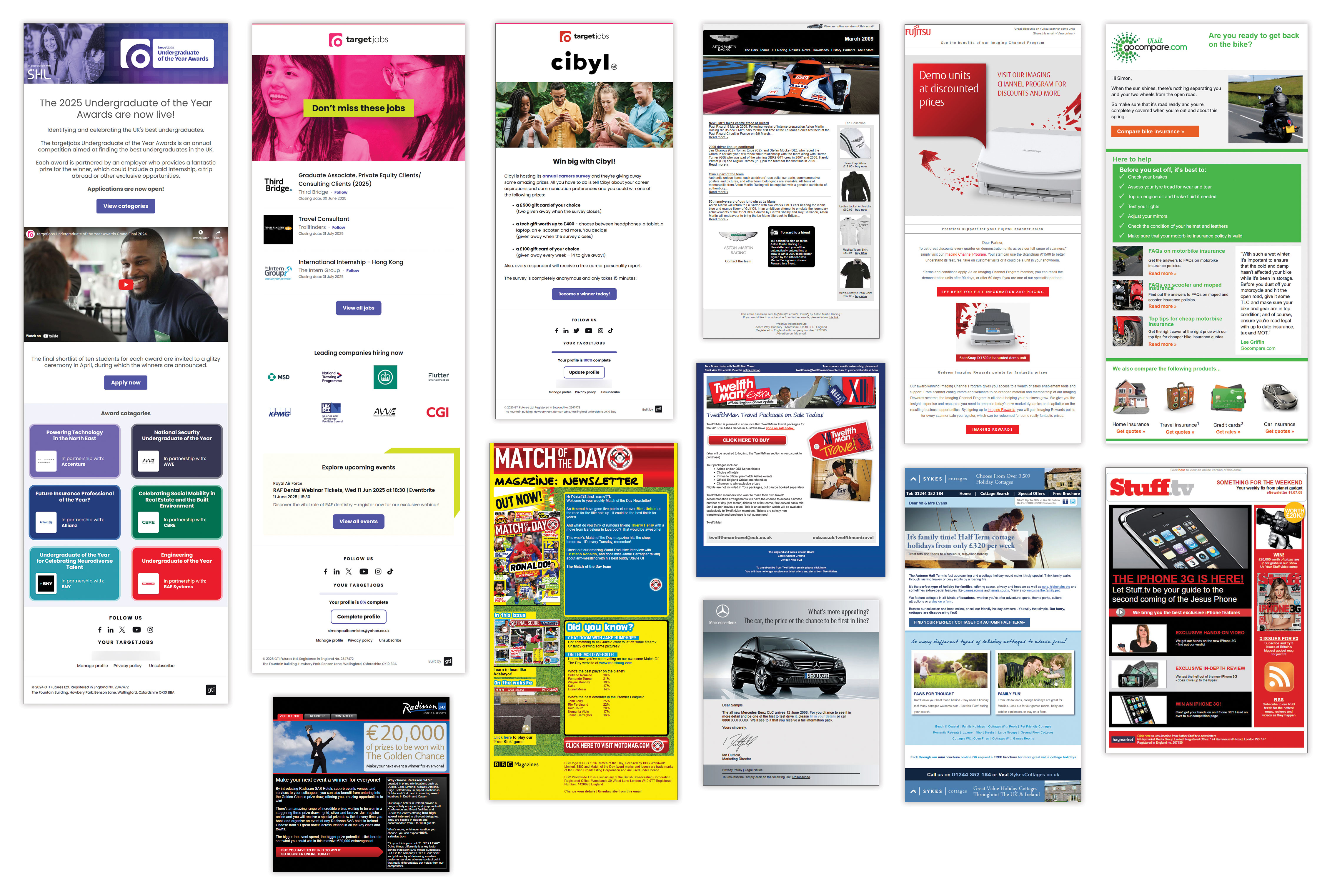
With nearly two decades in the industry, I know email marketing inside out – coding, design, strategy, split/multivariate testing, advanced segmentation, behavioural automation, dynamic content, database-driven content and everything in between.

I’ve used all these elements to build thousands of campaigns that drive engagement. Over the years, I’ve transferred my marketing principles to multiple channels – including paid social, sms, push notifications.

Explore more:

- Coding
- Design
- Split/multivariate testing
- Segmentation
- Automation
- Dynamic content & personalisation
- Database driven campaigns
- ‘Smart' emails & email series
- Channel diversification
 
× Expanded view
Click image to expand

Coding

HTML Coding
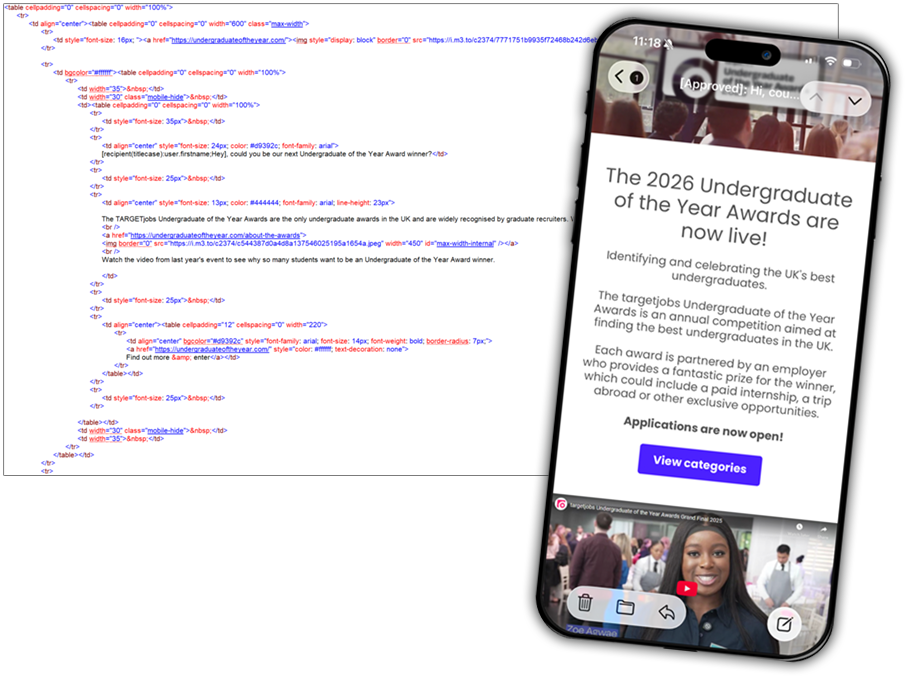
I’ve been building emails for a long time, with hands-on experience writing email-friendly HTML and CSS. I understand the quirks of different email clients and how to code for compatibility and consistency - from scratch or within modular templates.

I’ve built out robust, reusable templates that empower wider teams to move faster without compromising on quality. These systems have helped scale output across multiple teams and brands.

Now, as we move into the AI era, that foundational coding knowledge gives me an edge. I can brief, edit, and refine AI-generated code with confidence - accelerating workflows, not introducing risk. Knowing how it should be done makes every tool more powerful.

Back to top

Design

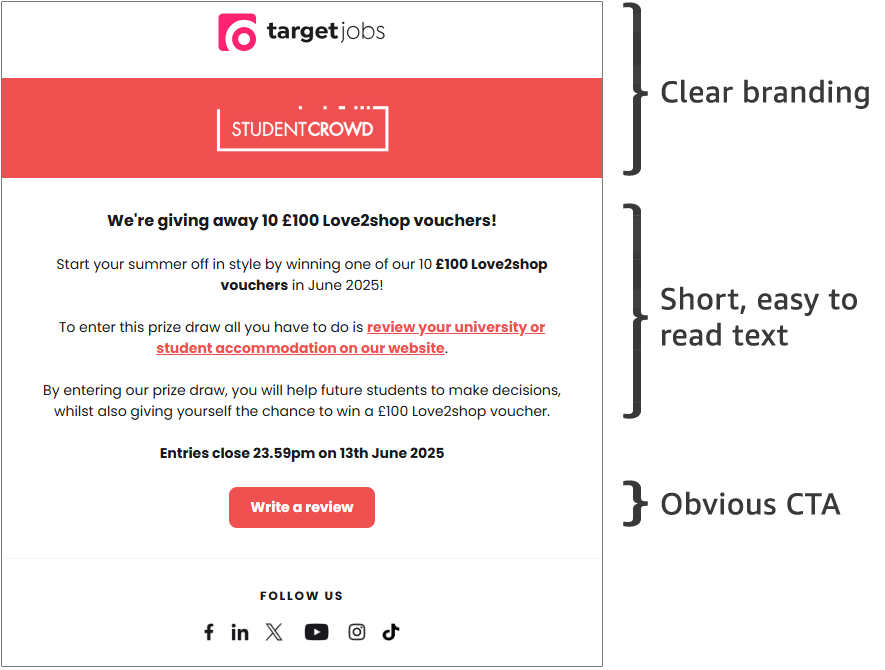
At the core, my design philosophy is built around clarity and simplicity. I don’t want recipients to have to work to consume my content.

I use the term “scannability” when designing new emails - layouts that allow users to quickly glance, skim, and decide if something is relevant to them. Then having clear, obious call-to-actions.

My aim isn’t to create the Mona Lisa - it’s to guide the potential converters to the next stage of their journey, friction-free.

Fundamentally, what makes the best design? The one that looks the best (which is subjective) or the one that generates the most conversions? I always design with engagement, conversion and optimisation in mind.

"Thanks Simon, your conversion rate is legendary!"
John, Student Crowd

Whilst this a very simple email, it achieved the client's objective very efficiently.

Back to top
Email design

Split & multivariate testing

CRM trial
I’ve run hundreds of tests across multiple clients over the years - from simple A/B tests to large-scale strategy trials.

Whilst I'm proficient in running any number of split tests - subject line, from name, copy, imagery - I'm able to find greater insight and impact by testing higher level areas.

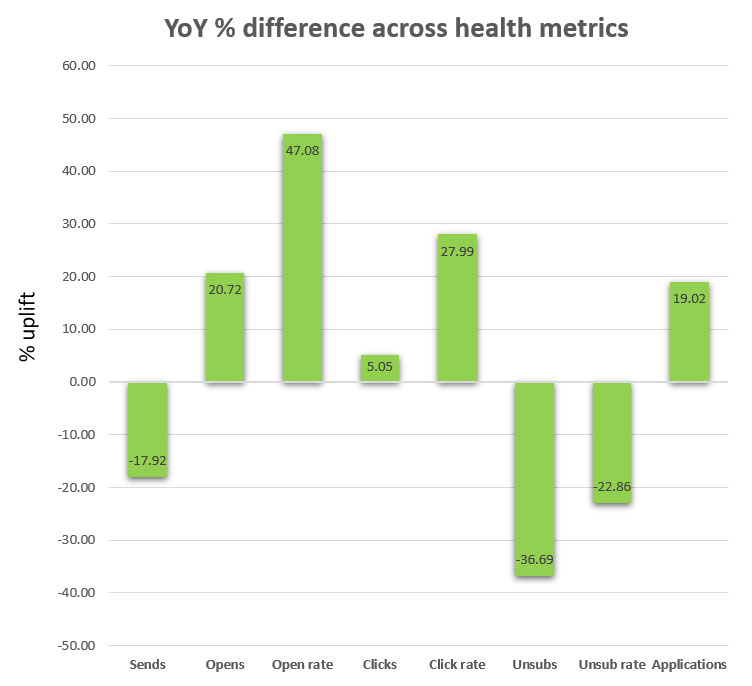
When I joined targetjobs, the commercial model included selling emails. I always believed this compromised our overall CRM strategy and was ultimately harming our ability to deliver for clients. I ran a trial over several months where I partitioned the database into two groups.

A control group would continue to receive client sponsored emails along with our CRM emails whilst the test group would only receive comms from me and my team - no client driven content.

As you can see from the stats, this had a large impact in relative and absolute terms, the net result being a 20% increase in conversions. Clients can no longer buy email sends, my team evolved into an outcome-focused function, rather than being inventory led.

This trial was so successful, it has since been rolled out to several of our university partners.

Back to top

Segmentation

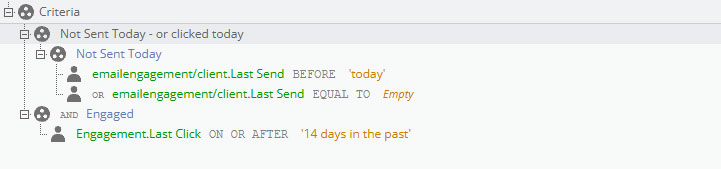
Relevant content is critical to any long-term strategy. I segment audiences not only by profile data - such as demographics or declared preferences - but also by behavioural data.

This allows me to tailor content that feels timely and relevant, ultimately building trust and driving stronger results.

Back to top
Segment example

Automation

Automation flow
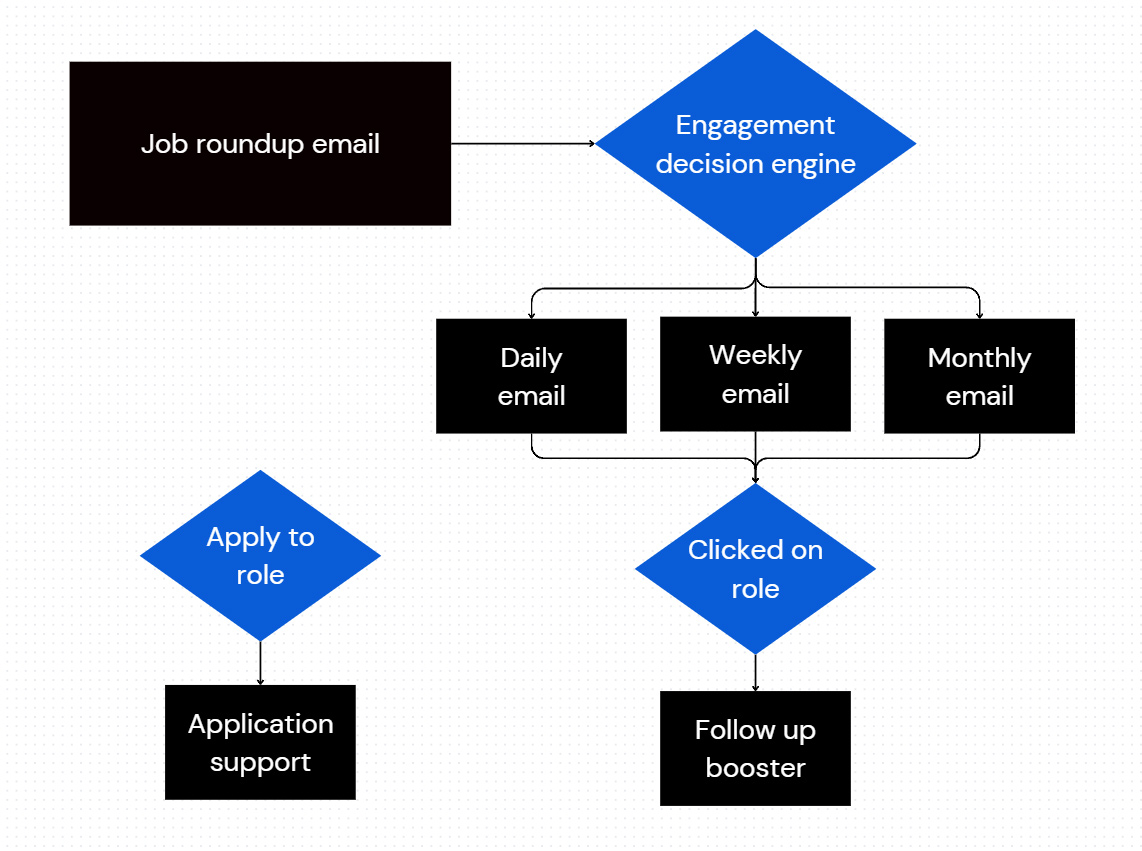
Automation has been one of the most impactful areas of my work - both for improving user experience and increasing operational efficiency. I’ve built everything from simple onboarding sequences to highly complex behavioural journeys that adapt in real time based on user interactions.

My goal is always to improve performance at scale, and automation is one of the most effective ways to achieve that. The solutions I’ve developed now deliver consistent performance with zero ongoing effort - freeing me up to focus on the next layer of optimisation and compounding returns.

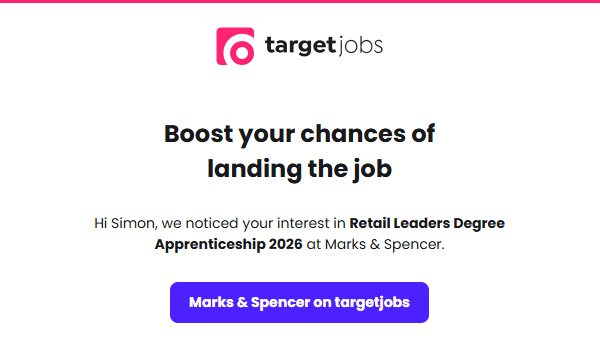
Clients often challenge me to improve performance in very specific areas. The real test is doing this without compromising overall engagement. One strategy I’ve developed allows me to highlight priority content within automated journeys - driving targeted results while preserving the health and integrity of the broader user experience.

Back to top

Dynamic content & personalisation

Personalisation is far more than merging a user’s name into the subject line - although I can certainly do that. Real personalisation means delivering content that feels uniquely relevant to each individual. That could be as simple as a banner image tailored to the user’s university, or as complex as a dynamically generated list of awards they’re eligible to apply for.

I’ve built flows that adapt to the user from the very first interaction. One example is a welcome journey that tailors messaging based on both the user’s acquisition source and their declared profile data.

I also incorporate behavioural data into future touchpoints - for instance, by dynamically pulling employer names a user has previously engaged with into subject lines or email content. This significantly boosts both relevance and engagement, and helps create a truly personalised experience that performs.

Back to top
Dynamic subject line Dynamic content

Database driven campaigns

Dynamic subject line Dynamic content
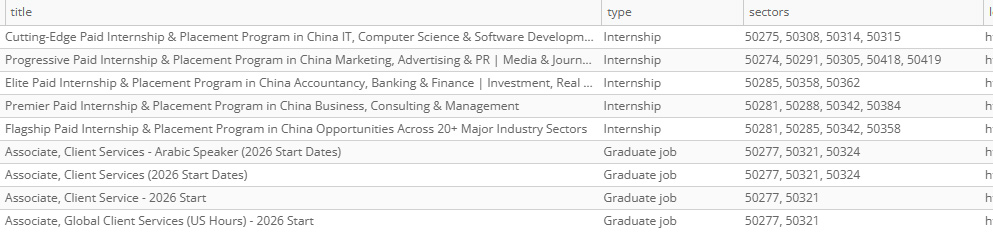
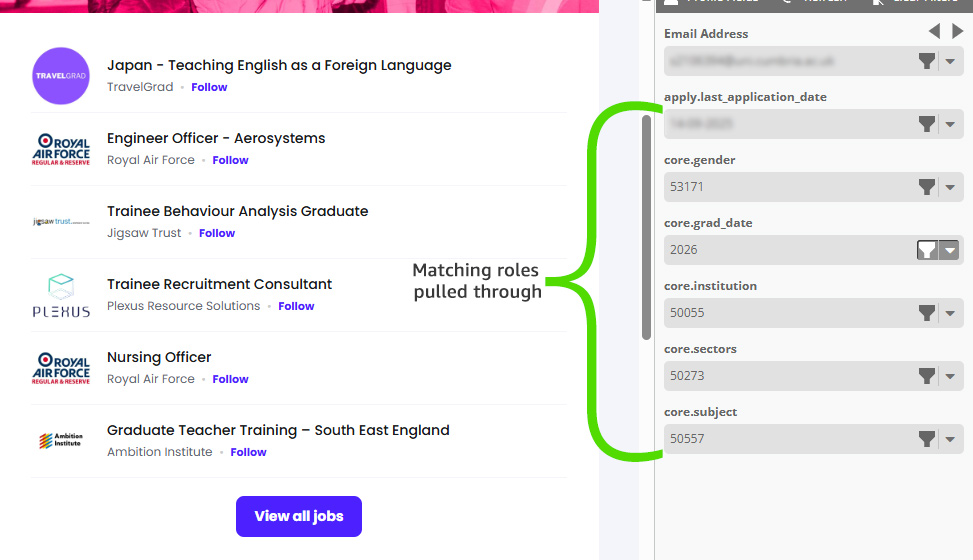
To deliver a true 1:1 experience at scale, I build campaigns that are powered directly by structured databases. In my case, this isn’t a product feed - it’s a live catalogue of roles.

Each role has a rich set of attributes - such as sector, job type, employer, location, and salary - which I can cross-reference against both user profile data and behavioural signals to deliver deeply personalised content.

For example, if a user has declared an interest in tech, teaching, and charity roles, my automation will automatically serve up matching roles in real time. If that same user then applies for a law role, the system adjusts and follows up with similar legal opportunities - again, dynamically pulled from the database.

To meet commercial goals without compromising user experience, I’ve implemented a hierarchy into this logic. Priority-tagged roles (e.g. paid placements) are surfaced first when relevant, followed by newly published roles, then relevant content from the wider pool.

This logic can also be extended to other elements - such as events or adverts - enabling fully modular, database-driven emails that deliver value to users while supporting business objectives.

Back to top

'Smart' emails & email series

One of my first objectives at targetjobs was to stop selling standalone email blasts. When emails are treated purely as inventory, the incentive is to sell and send as many as possible - regardless of impact. This approach damages long-term engagement and undermines overall strategy.

To shift this mindset, I created a solution that kept email as a commercial asset but introduced delivery logic to protect performance. This became known internally as the Smart Email.

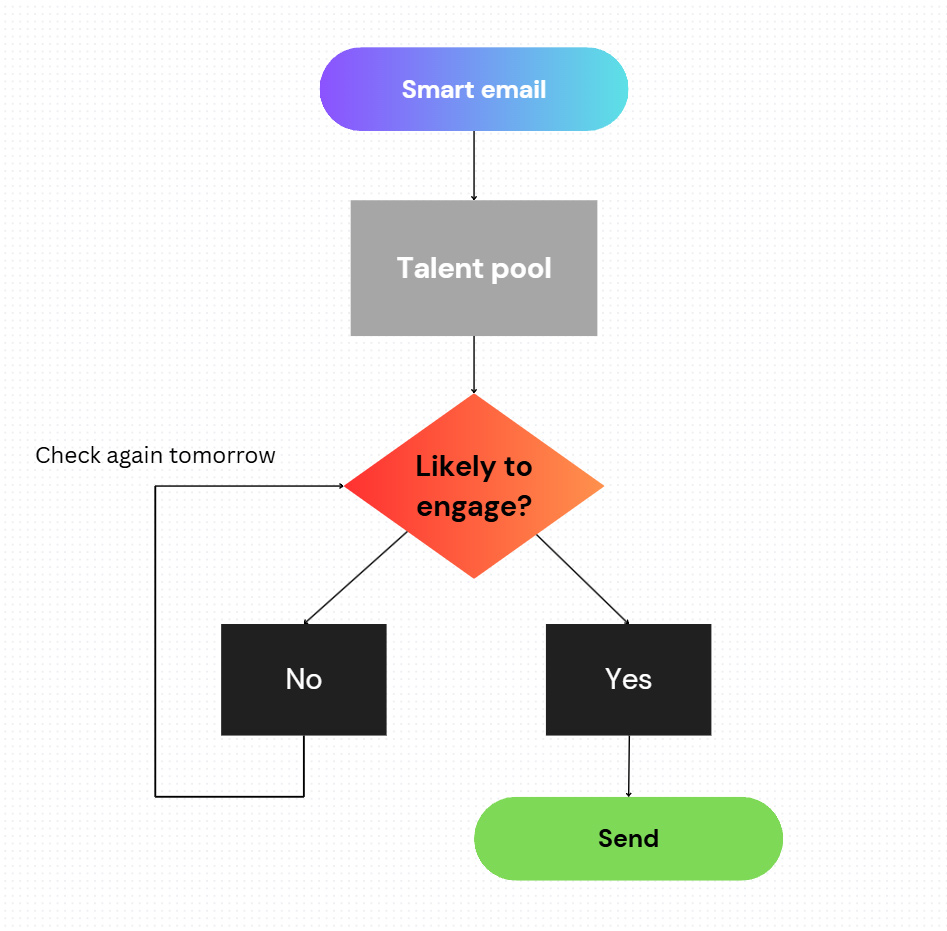
Smart Emails are essentially drip campaigns, deployed over multiple weeks. Rather than sending to the entire audience in one blast, users are added to a holding pool. Each day, the algorithm assesses each user’s engagement profile - taking into account recency of send, opens, clicks, and other signals.

If the user is considered likely to engage, they receive the email that day. If not, they remain in the pool to be reassessed later. The process continues until the campaign has run its course. This approach doubled the performance of traditional sends and drastically reduced negative impact on engagement rates.

We later evolved this into a commercial product called Email Series - a sequenced campaign built around the same smart logic. These journeys adapt to each user, delivering stories over time in a way that suits their behaviour, not a rigid schedule. For employers, this enables deeper storytelling and higher performance, without compromising long-term deliverability or user trust.

Back to top

Smart email

Channel diversification

Channel diversification
After several years leading email strategy, my role evolved to encompass a broader set of marketing channels, including push notifications, SMS, paid social, and strategic partner campaigns. I’ve applied the same outcome-focused thinking across all channels, balancing performance with commercial impact.

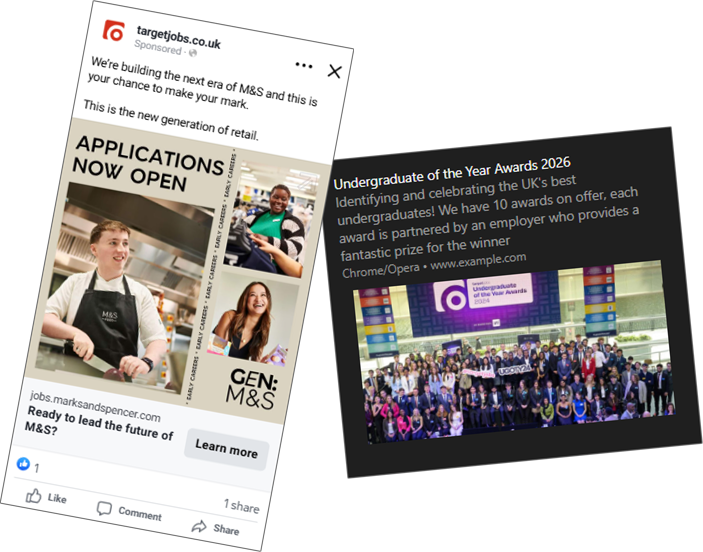
One key initiative was the creation of a new paid social function. Rather than selling generic social media posts, I developed a high-performance, data-driven solution that allows clients to run highly targeted campaigns - for example, “female software engineers in the North East.” This approach has unlocked a new commercial opportunity and replaced low-value inventory with a service that delivers measurable ROI.

By applying the same principles of segmentation, personalisation, and testing across platforms, I’ve been able to extend performance marketing impact well beyond email - creating a cohesive multichannel ecosystem.

Back to top